Seven Bridges Loop: A Complete Guide
The classic 6-mile route connecting seven historic stone bridges across the Boyne Valley. Don't let the distance intimidate you — it's rated easy with plenty of stopping points and refreshment opportunities. Most people find the architecture fascinating enough to spend extra time at each bridge.
What You'll Discover on This Walk
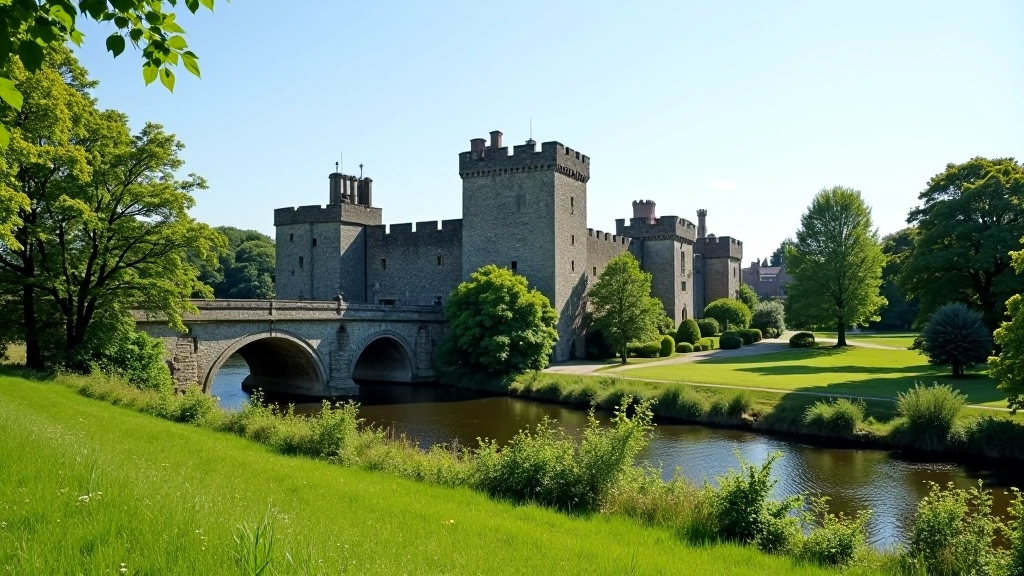
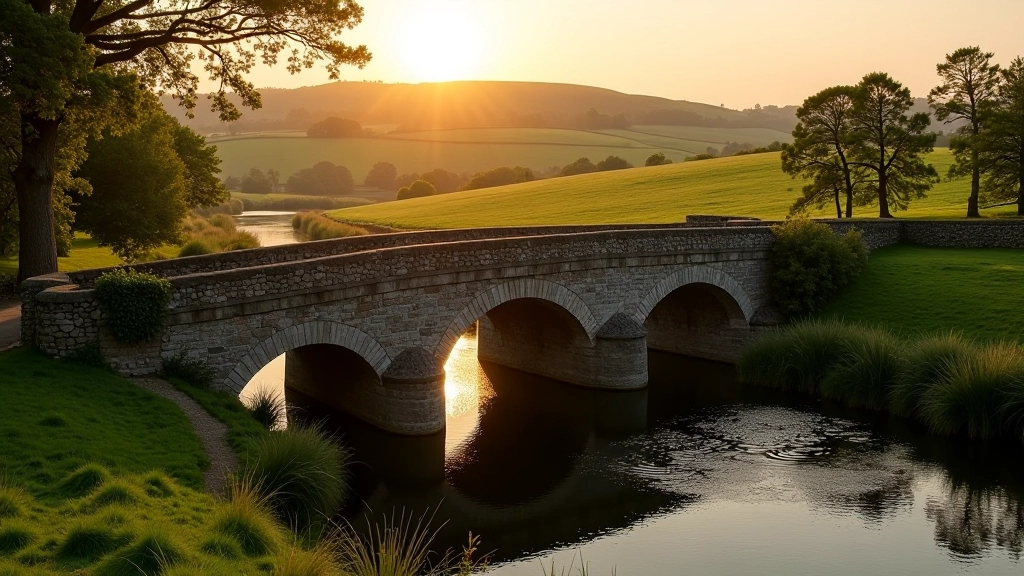
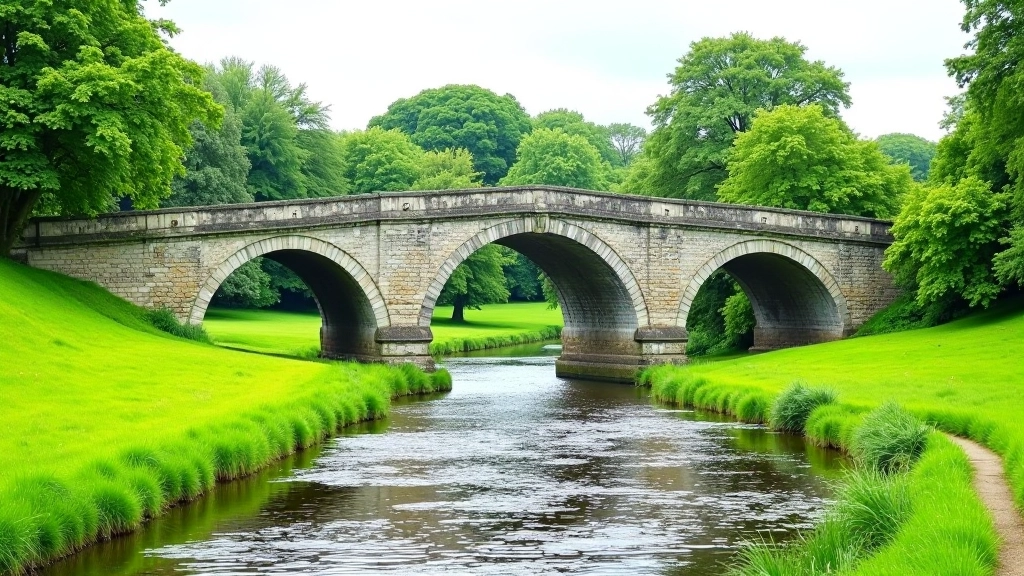
The Seven Bridges Loop isn't just a walk — it's a journey through centuries of Irish heritage. You'll encounter seven beautifully preserved stone bridges, each with its own history and character. The route winds through meadows, riverside paths, and quiet country lanes that connect the bridges like chapters in a story.
What makes this loop special isn't the distance. At 6 miles, it's manageable for most fitness levels. What makes it memorable is the constant discovery. You're never more than 15 minutes from a bridge, and each one reveals something different — Victorian engineering, medieval stonework, or Victorian restoration. The Boyne River itself becomes a companion, appearing and disappearing as you navigate the loops and turns.
Total Distance
6 miles (9.6 km) of mixed terrain
Time Required
2.5 to 3.5 hours at comfortable pace
Difficulty Level
Easy to moderate, mostly flat
Best Season
May to October, though walkable year-round
Meeting Each Bridge Along the Way
Each bridge on this loop tells a different story. You'll start at the eastern end near Trim town and work your way through the valley, encountering each structure in sequence. Most walkers spend 10-15 minutes at each bridge, photographing details or simply sitting to absorb the view.
The bridges aren't evenly spaced — some are closer together, others require longer walks between them. This variation actually works in your favor. You'll have stretches of pure walking meditation, then moments where you can pause and study architecture. The third and fifth bridges are the most photographed, with Victorian stonework and clear river views that draw visitors back season after season.
You don't need to know the technical history of each bridge to enjoy them. What matters is noticing the details — the worn stones where generations have walked, the way water patterns change at each crossing, the vegetation growing around the foundations. These bridges have survived centuries. Your footsteps join countless others.
Planning Your Route and Pace
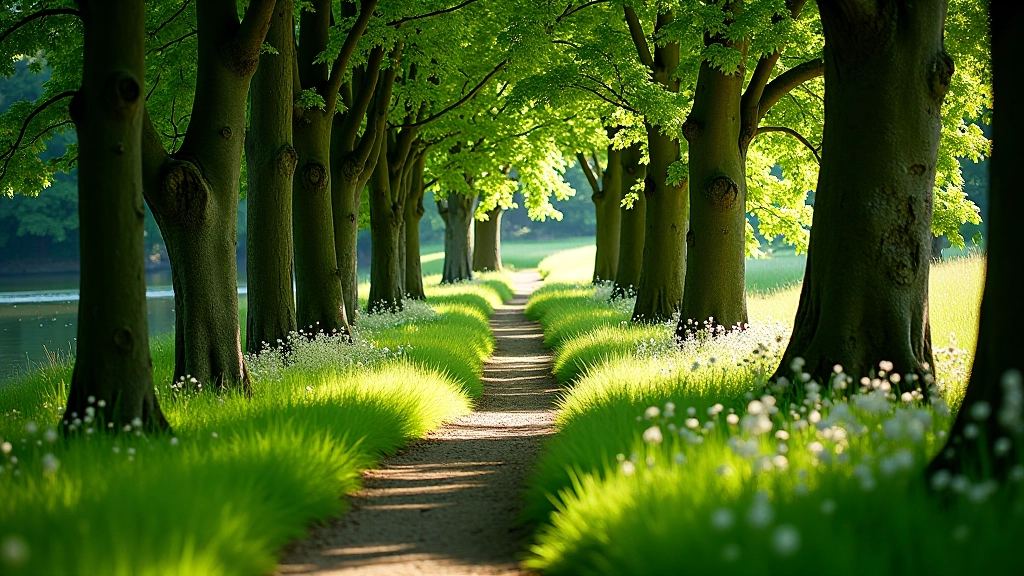
The loop can be walked in either direction, though most people start from Trim town center and work clockwise. This puts the most interesting bridges in the middle of your walk, when you're warmed up and fully alert. The terrain varies — some sections are packed earth paths, others are country roads with gentle grass verges.
Don't rush this walk. A comfortable pace means you'll actually enjoy it. We're talking 2.5 to 3 hours for the full loop if you're moving steadily, but add an hour if you're stopping frequently to photograph or sit and rest. There's no shame in taking breaks. In fact, that's when the magic happens — when you're sitting by a bridge and really looking at the river.
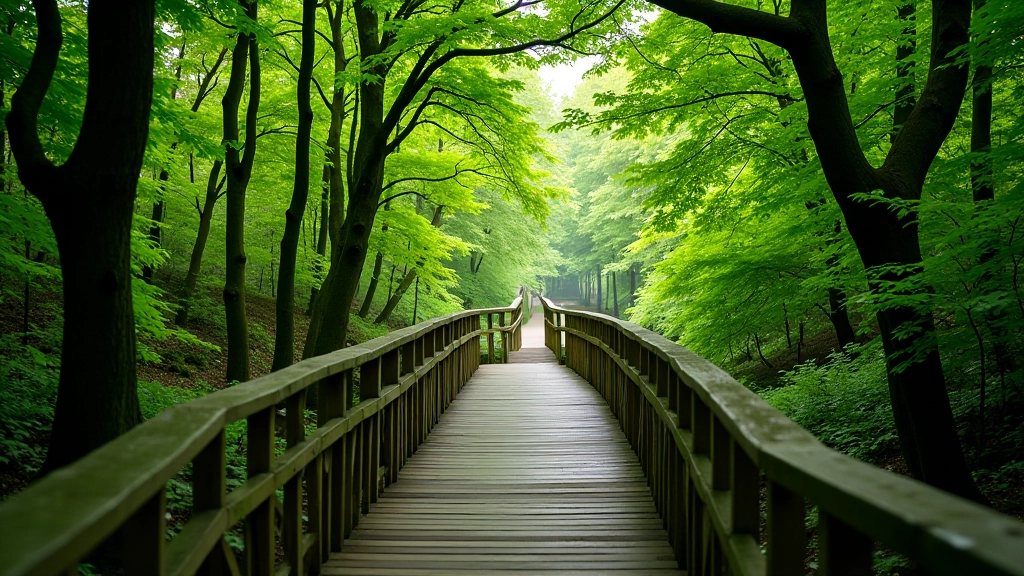
Bring water and a snack. There's a small café near the starting point, but once you're on the trail, you won't find much until you're back. The path is well-maintained but can be muddy after rain, so waterproof boots are smart, especially if you're visiting between November and March. Most sections are shaded, which is brilliant on hot days but means you'll want a light jacket when it's cool.
What Makes This Loop Special
You're probably wondering what sets the Seven Bridges Loop apart from other walks in the region. It's not the most dramatic scenery — that'd be the Blackwater trail. It's not the shortest — plenty of easier 3-mile options exist. What it is, though, is complete. You get history, nature, river views, and genuine variety all in one afternoon.
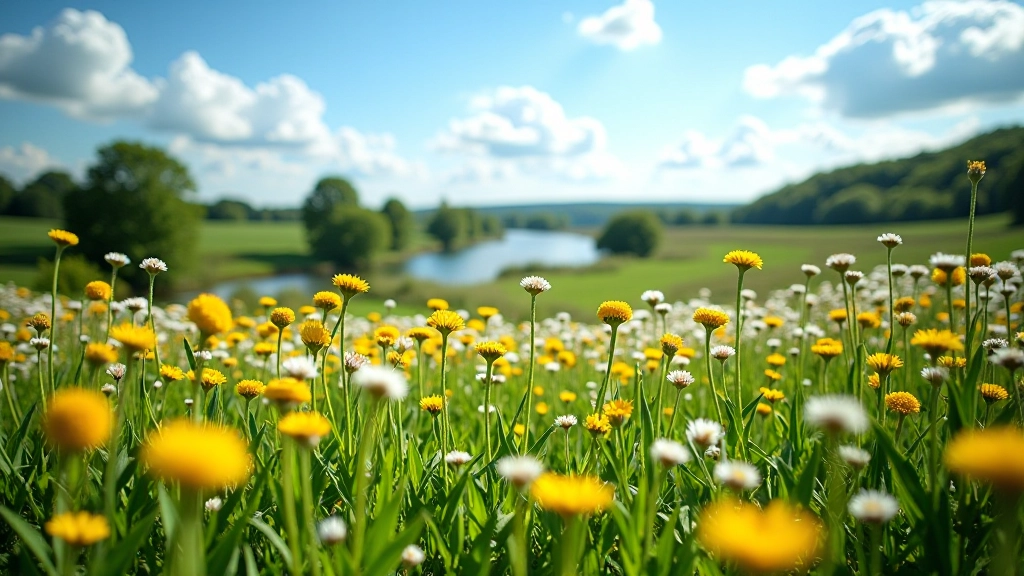
The walk teaches you to slow down. Each bridge represents a stopping point, a reason to pause. You'll notice details you'd miss if you were rushing — the way moss grows on the northern stones, how the river changes color depending on light, the bird life that congregates around the supports. Locals often mention that this walk feels different in each season. Spring brings wildflowers and returning birds. Summer offers long light and meadows in full growth. Autumn turns everything golden, and winter reveals the bare bones of the landscape.
Practical Tips for Your Visit
Start Early
Begin by 9 or 10 AM to finish comfortably before dark. You'll also avoid midday crowds at the most popular bridges. Early light is genuinely better for photography anyway.
Wear Proper Footwear
Waterproof hiking boots are ideal. The path's mostly dry, but muddy patches appear regularly. A single slip can ruin your walk. Good boots also mean less foot pain and more enjoyment.
Bring Extra Water
A 1-liter bottle minimum. Even in cooler months, you'll be surprised how much you drink. There's no water source along the trail, so you can't refill once you've started.
Bring a Camera
Your phone is fine, but the bridges reward proper photography. You'll want to capture details — stone patterns, water reflections, seasonal light. You'll be looking at these photos for years.
Check Weather First
This walk's fine in light rain, but heavy downpours make it miserable. Wind can be intense along open sections. A clear or partly cloudy day is ideal. Don't walk if there's a weather warning.
Walk with Someone
The trail's safe, but having a companion is more enjoyable. You can share the experience, take turns with the camera, and have someone to sit with at your favorite bridge.

Ready to Walk the Bridges?
The Seven Bridges Loop is waiting for you. It's not a challenge to conquer or a difficult goal to achieve. It's an invitation to slow down, look around, and connect with something that's been here for centuries. Thousands of people have walked these bridges before you, and thousands more will after. You're joining a tradition.
Start at Trim town center early on a clear day. Wear proper shoes. Bring water. Leave your phone's pace app at home — you don't need to know how fast you're going. You'll notice the river sounds, the way light hits the stone, the texture of history under your fingers when you touch the bridges. That's what matters. That's what you'll remember.
Important Notice
This guide is provided for informational purposes only. Walking conditions, accessibility, and safety can vary based on weather, season, and individual circumstances. Always check current weather forecasts before heading out. The route description is based on typical conditions — mud, flooding, or maintenance work may temporarily affect the trail. Wear appropriate footwear and bring sufficient water. If you have mobility concerns or health conditions, consider walking with a companion or checking with local tourism information for current trail status. The responsibility for safe travel rests with the walker. This information doesn't replace local advice or professional guidance.
Explore More Walks in the Boyne Valley