Blackwater Riverside Trail
Follow the Blackwater River for 5.5 miles through shaded forest and open meadows. Excellent for bird watching. The handrailed sections make it accessible, and you'll spot kingfishers regularly.
Why This Walk Stands Out
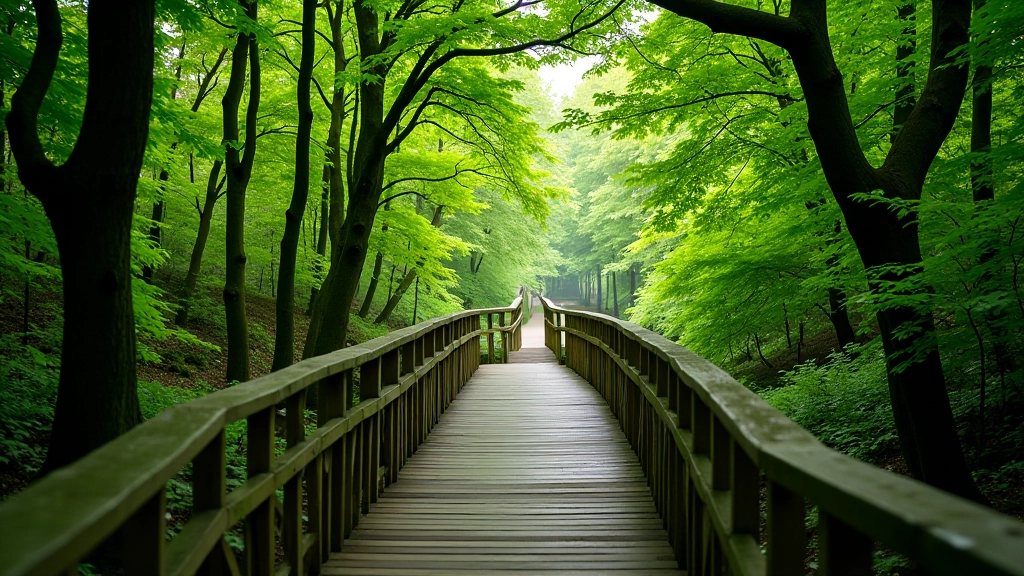
The Blackwater Trail isn't just another riverside walk. It's a carefully maintained route that combines natural beauty with genuine accessibility. We're talking proper handrails on the steep sections, well-defined paths, and plenty of spots to rest if you need them.
What makes this special? The bird life. Kingfishers nest along this stretch — you'll see them flash past like bright blue arrows if you're patient. The shaded forest sections keep things cool even on warm days, and the open meadow portions give you room to breathe.
Distance & Duration
5.5 miles (8.9 km). Most walkers complete this in 2.5 to 3 hours at a comfortable pace.
Elevation Gain
Minimal elevation change. A few gentle slopes but nothing steep or challenging.
Terrain Mix
Forest paths, riverside trails, and open meadow sections. Mostly firm ground with some sections that can be muddy after rain.
Wildlife Watching
Kingfishers, herons, moorhens, and various waterfowl. Spring and autumn offer the best bird activity.
Getting There & Starting Point
The main access point is near Navan, about 20 minutes' drive from Trim. There's a small car park with room for roughly 15 vehicles — it's never overcrowded, which is part of the appeal.
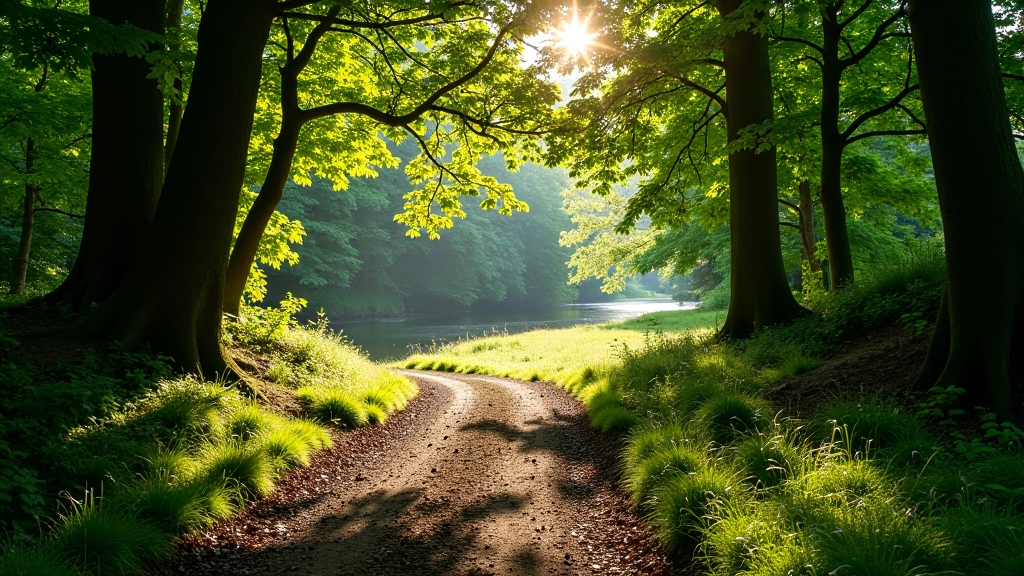
You can start the walk from either end of the trail. Most people begin at the northern access point where there's a small picnic area. From there, the path leads you gently downhill toward the river. The first section moves through mixed woodland — oak, ash, and birch trees create a natural canopy.
Don't rush this part. There's usually a heron or two fishing in the shallows. If you're quiet and patient, you'll get surprisingly close views. The river here is narrow and shallow, perfect for wading birds.
The Middle Section: Meadows & Handrails
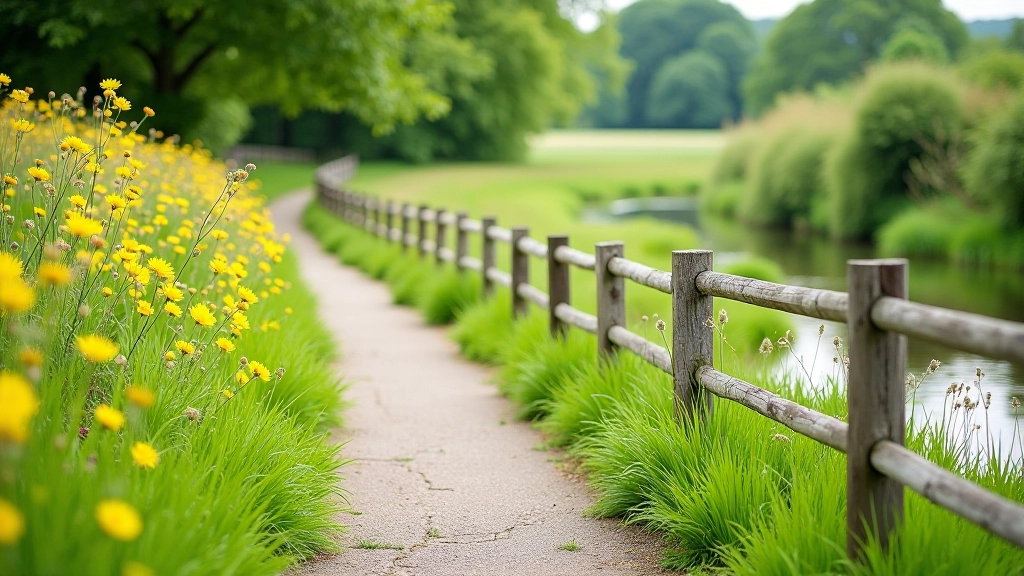
After about 1.5 miles, the forest opens into meadowland. This is where the trail really shines. The handrailed sections begin here — solid wooden rails bolted to the ground, not flimsy rope or cable. They're genuinely reassuring if you're worried about stability.
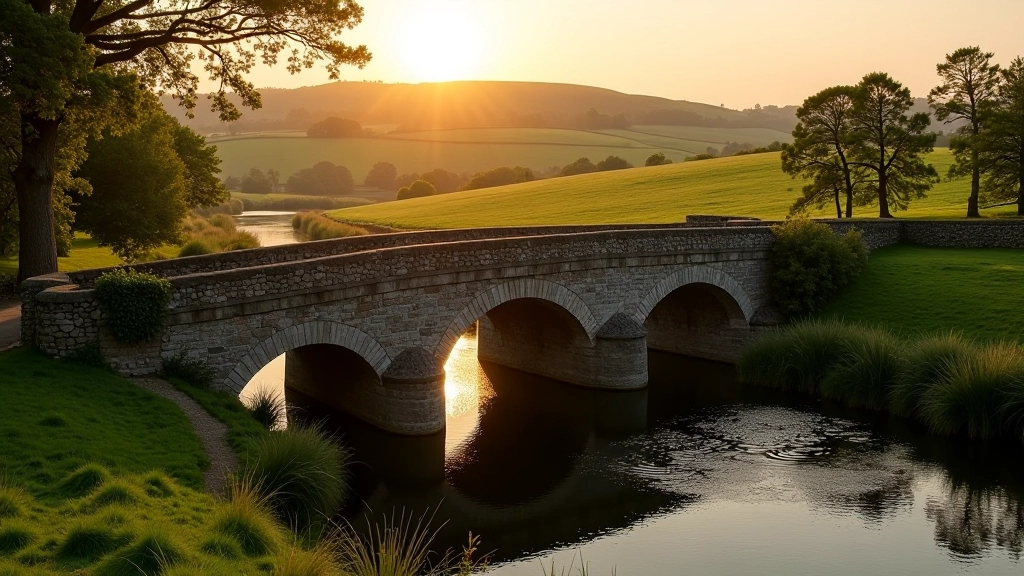
The meadow stretch is flat and easy. You're walking alongside the river with views across to farmland beyond. Spring brings bluebells and primrose. Summer means wildflowers — ox-eye daisies, buttercups, and ragged robin dotting the grass verges.
This is the kingfisher zone. They nest in burrows along the riverbank. You'll recognize them instantly — iridescent blue backs, orange undersides, and a loud distinctive call. Early morning walks (before 10 AM) give you the best chance of spotting them actively hunting.
Rest Points & Navigation Tips
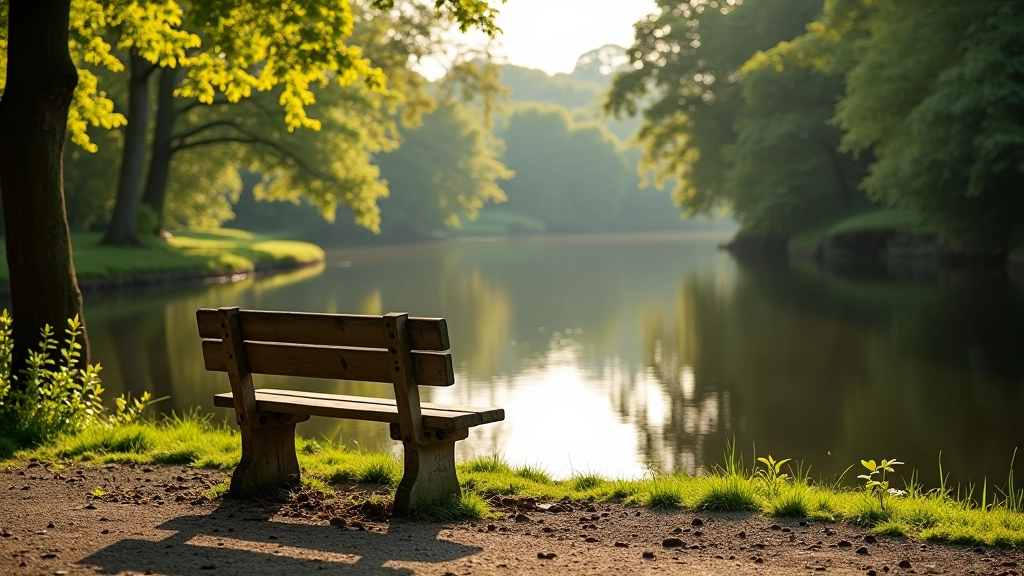
There are four bench seats positioned strategically along the route. The first one appears around the 1.8-mile mark in the meadow section. They're properly maintained — not rickety park benches. Each one offers different views: one overlooks a weir, another sits in dappled shade.
The trail is well-marked with green waymarkers on posts and trees. You won't get lost. The path is obvious underfoot — it's been walked regularly for decades. After the meadow section, the route moves back into forest, narrows slightly, and becomes more intimate. This final stretch follows the river closely.
Don't worry about mud. Yes, it gets boggy in places, especially after heavy rain. But the ground's naturally firm in most sections. Wear decent waterproof boots if there's been recent wet weather. Trainers work fine on dry days.
Practical Tips for Your Visit
Best Time to Go
May through September offers the warmest weather and most active bird life. October can be spectacular with autumn colors. Winter's quieter but muddy — bring proper boots.
What to Bring
Waterproof jacket (it's Ireland — weather changes fast), walking boots, water bottle, and a small pack. Binoculars are brilliant for bird watching. Bring a light snack if you're doing this at a leisurely pace.
Parking & Facilities
Small car park at the northern access point. No toilets at the trailhead — nearest facilities in Navan town, about 4 miles away. Plan accordingly.
Accessibility Notes
The handrailed sections are genuinely accessible. The forest paths are uneven in places — not ideal for mobility scooters. Reasonable fitness needed for the full 5.5 miles. You can do shorter sections.

Final Thoughts
The Blackwater Riverside Trail delivers exactly what it promises: a manageable, beautiful walk with genuine accessibility features and interesting wildlife. It's not remote or dramatic. It won't exhaust you. But it will give you a proper sense of achievement, good views, and that particular peace you get from walking beside moving water.
Most importantly, it's a walk you can do repeatedly. Different seasons bring different experiences. Autumn colors, spring bird activity, summer wildflowers — there's always something worth seeing. And the handrails mean you're never worrying about your footing.
If you're looking for a riverside walk that's been properly maintained and genuinely accessible, this one's worth the trip to Meath.
Important Notice
This article is provided for informational purposes to help plan your walk. Trail conditions, facilities, and accessibility features may change. Always check current conditions before visiting. Weather can affect trail difficulty significantly — recent heavy rain may make sections muddy or slippery. Wear appropriate footwear and bring waterproof clothing. If you have mobility concerns, contact local walking groups or visitor centers for current accessibility details.
Explore More Riverside Walks